Baobab & Marula
Baobab (Adansonia digitata) and marula (Sclerocarya birrea) are widely distributed across sub-Saharan savanna regions and possess distinctive ecological, economic, societal, and cultural attributes that highlight their agro-ecological value. Marula comprises three subspecies: subsp. affra in southern Africa, subsp. birrea in western Africa, and subsp. multifoliolata in Tanzania.
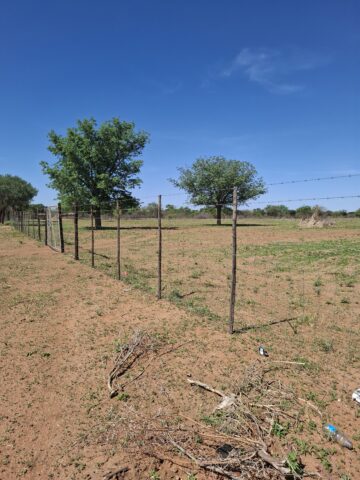
These species are among the largest trees in the savanna landscape, typically growing in scattered patterns near cultivated or abandoned farmland, where they are often protected from grazing. Both baobab and marula are optimal for domestication in Africa due to their substantial contributions to local livelihoods. They offer nutritional and economic resources—such as nuts, oil, juice, and cosmetic ingredients—alongside shelter and deep cultural significance in many African communities.
Marula fruit is particularly rich in vitamin C, exceeding levels found in oranges, mangoes, and lemons, and also contains oleic acid and antioxidants. Its nuts are high in minerals, protein, and energy, while the nut stones show promise as a sustainable energy source. Baobab, known for its resilience to fire, storms, and pest damage, produces fruit with high energy content, especially when processed into food-grade oil. Both trees are increasingly recognized as superfoods in urban and Western markets. Their fruit pulp also serves as an excellent source of dietary calcium, especially valuable in arid regions where dairy farming is limited.
Despite their potential, the full benefits of baobab and marula remain underutilized due to outdated storage and processing techniques, limited marketing, fragmented value chains, and insufficient awareness of their nutritional, health, and climate resilience advantages. Additionally, the perception of these foods as “poor man’s food” hampers broader acceptance.
The ecological functions of baobab and marula within agroforestry systems are not yet thoroughly documented. However, their large size, expansive canopies, and deep root systems suggest they can enhance soil quality by increasing organic matter, nutrient availability, and moisture retention, while also fostering a favorable microclimate that supports crop and fodder productivity. These trees are also expected to promote biodiversity, including beneficial insects that help control crop pests. Furthermore, their biomass and longevity position them as significant carbon sinks, contributing to the global carbon cycle—particularly relevant given that savanna ecosystems span 30–65% of the African continent and approximately 20% of the Earth’s land surface. Nonetheless, comprehensive data on their ecological roles remain limited.