About
About the project
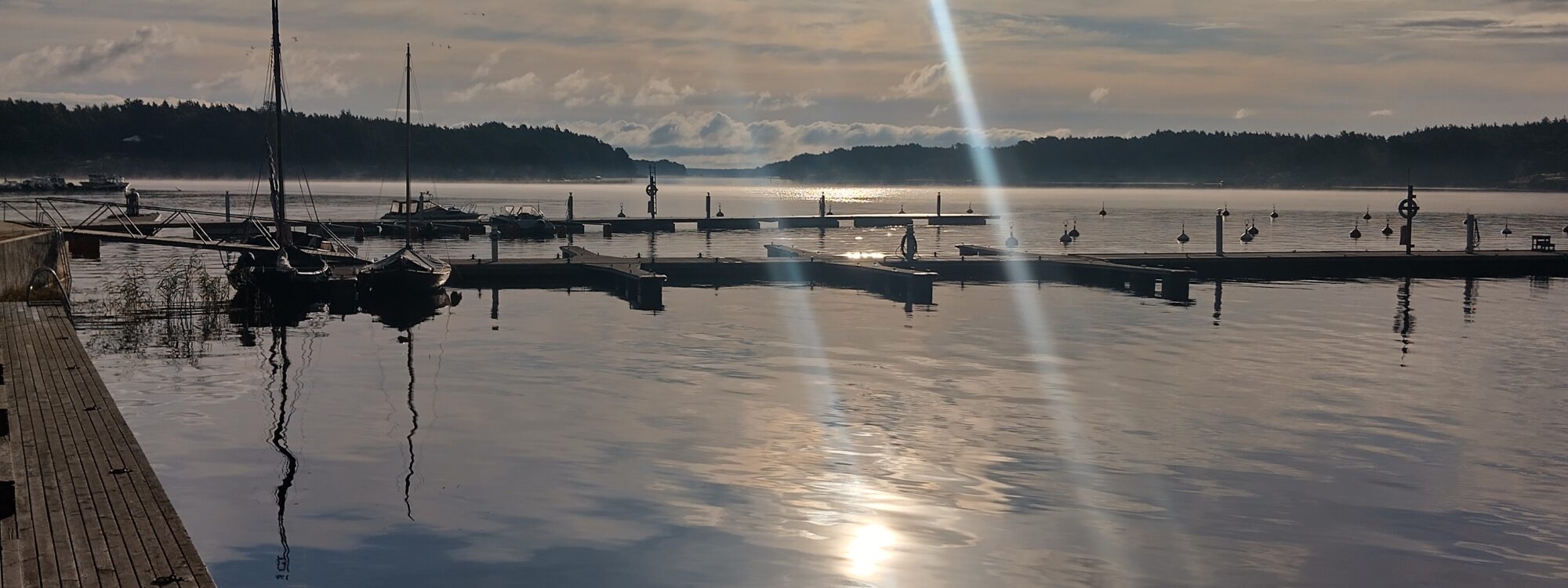
Nature is one of Finland’s strengths in tourism. In Southwest Finland, the Archipelago Sea is a key attraction and a unifying theme for tourism in the region. The ecological footprint of the tourism is significant, and in the case of the Archipelago Sea, the environmental impacts of tourism are also considerable.
Finland is pledged to halting biodiversity loss by 2030. Biodiversity loss refers to the reduction of any aspect of biological diversity, which is particularly evident in the reduction of species and the simplification of ecosystems. Since food is one of the biggest drivers of biodiversity loss, the greatest need for change lies in the food chain. The continuously deteriorating state of the Archipelago Sea is largely due to nutrient emissions from food production, which are further intensified by climate change. Therefore, effective measures are needed to promote nature-positive food choices in the tourism sector and among consumers.
The LuLa project addresses this challenge through biodiversity footprint assessment. The biodiversity footprint describes the extent of harm caused to biodiversity by a product, process, or company. Our goal is to support the green transition in the food sector and help the tourism industry achieve its sustainability targets by increasing the use of raw materials that prevent biodiversity loss in the HoReCa sector.
The project consists of five work packages. The first aims to identify local foods that support biodiversity using biodiversity footprint calculations. Based on these, nutritionally balanced meal concepts will be developed that can be easily adopted by the HoReCa sector.
In addition, the project will develop a procurement criteria framework based on biodiversity footprint data, encouraging the use of locally produced and processed food and organic products. This framework will be made publicly available as a tool that allows stakeholders to replace environmentally harmful choices within ingredient groups with alternatives that are more environmentally friendly and help preserve biodiversity.
The “Biodiversity on the plate” project involves the University of Turku, LUT University, Sustainable Travel Finland, and tourism operators Visit Turku Archipelago and the City of Naantali. The project is carried out in collaboration with the Strategic Research Council’s Biodiful project. The Centre for Economic Development, Transport and the Environment (ELY Centre) for Southwest Finland has granted EU rural development funding for the project.