Summary
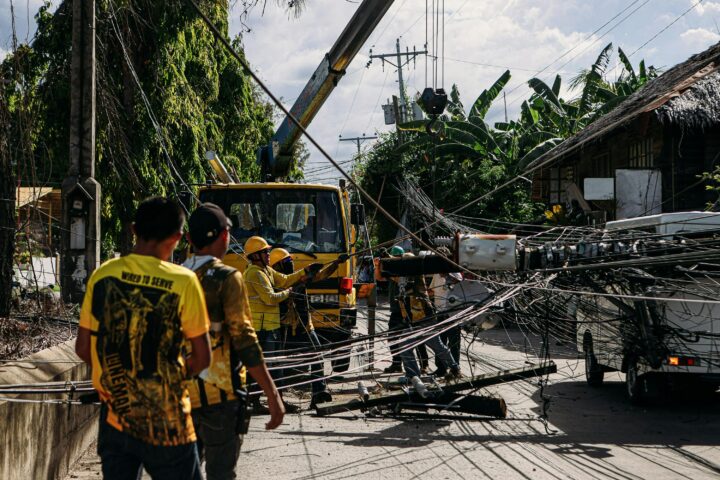
Picture credit of Deniz Futalan
Our project is driven by the research problem: How can workers achieve “decent and productive work, in conditions of freedom, equality, security, and dignity” (ILO, 1999, p.3) and how to make enforcement more effective?
The study aims to develop strategies to strengthen labour standards enforcement that benefit both workers (through safer, fairer jobs) and employers (through fair competition and sustainable productivity), thereby enhancing competitiveness and economic growth. Using case studies from Finland and Japan (global North) and Argentina, Indonesia, and Namibia (global South), we will analyse variations in labour law awareness, perceptions of inspectorate integrity, and enforcement practices across different sectors and contexts. These are examined through four themes:
Theme 1: Compliance awareness gaps
In first sub-theme, we aim to quantify how aware informal and precarious workers are of their rights in each country and context.
Theme 2: Evaluation of inspectorate integrity and trust across varying industries
In the second sub-theme, we will investigate the level of trust workers place in labor inspectors and the prevalence of perceived corruption or bias through surveys and interviews.
Theme 3: Comparative enforcement strategies and shortfalls
In the third sub-theme, we will document how inspections are carried out in practice and explore their institutional determinants.
Theme 4: Implications for employers and fair competition
A key argument of our study is that effective enforcement is not only a worker issue but also benefits law-abiding employers and the broader economy. In the last sub-theme, we will consolidate our findings to illustrate this point.
We adopt a multi-disciplinary framework integrating economic geography, development economics, and international business literature. The research combines primary and secondary data using mixed-methods approaches and is conducted in collaboration with five scholars from the study countries.
The project duration is three years (2026-2028), which includes data collection, analysis, and the production of at least four co-authored research papers for high-impact journals (JUFO 2/3). The dissemination activities will span academic conferences, professional magazines, and public blogs in multiple languages, ensuring both scholarly and societal impact –advancing science, supporting Finnish businesses and society, and promoting global business responsibility.