Research team
SHADES is part of the INVEST Research Flagship, which aims at increasing the well-being and skill development of children and youth.
Tiina Turunen, Senior Researcher, PI of the SHADES Project

I am Tiina Turunen, the PI of the SHADES ERC StG project. I’m a Doctor of Psychology and a docent in applied developmental psychology, currently working as a University Research Fellow at the INVEST Flagship Research Centre. Before moving into academia, I worked as a clinical psychologist and a kindergarten teacher and those experiences still shape how I approach research. My work focuses on understanding bullying: where it comes from, what it leads to, and how it can be prevented. I’m particularly interested in differences among perpetrators − why different children and adolescents bully, and how peer status shapes the short- and long-term consequences. I also study the evaluation and implementation of anti-bullying interventions, bullying among students with learning difficulties, and the broader psychosocial well-being of young people. Methodologically, I specialize in longitudinal data analysis and advanced statistical methods, including structural equation modeling, mixture modeling, and multilevel modeling.
Outside of work, you’ll often find me outdoors − hiking, canoeing, exploring, or looking for the next adventure.
Daniel Graf, Senior Researcher

Esa Karonen, Senior Researcher
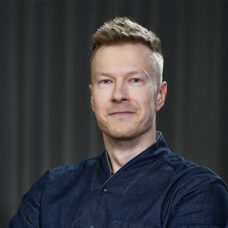
I’m a Senior Researcher in the ERC project SHADES at the INVEST Research Flagship Centre, University of Turku. My work follows a simple but fascinating question: what becomes of the kids who used to bully others? I study how different types of school-age bullies grow into adulthood—how they find their place in the worlds of work, health, family, and even crime—and how genes and social environments shape their paths along the way. In research, I’ve always been drawn to the bigger picture of social stratification and generational issues—why some people, and even whole generations, seem to catch the lucky breaks while others don’t. My background is in studying life-course outcomes like income, education, and career paths, and how early-life circumstances may shape the future.
Outside academia, I recharge through art and stories—drawing, painting, and writing (and yes, reading, watching, or playing) fiction. And to balance all those quiet hours thinking and typing, I spend time lifting heavy things and running away from old age—literally.
Daniela Chavez, Postdoctoral Researcher

I am Daniela V. Chávez, a Chilean sociologist currently working as a Postdoctoral Researcher in Psychology at the INVEST Research Flagship Centre, University of Turku, Finland. I completed my PhD in 2024 under a cotutelle agreement between the University of Turku and the Pontificia Universidad Católica de Chile, where I examined the role of peer acceptance and rejection in the development of prosocial behavior during adolescence. My broader research interests focus on understanding adolescent social dynamics and behavioral development and change. I am particularly interested in how peer status —expressed through acceptance (likeability), rejection, and popularity—shapes adolescents’ behaviors and social relationships. Using longitudinal and social network analyses, I study the processes through which adolescents influence one another, aiming to identify the factors that foster positive behaviors such as prosociality and kindness, while reducing bullying and aggressive behaviors within peer groups.
Eerika Johander, Postdoctoral Researcher
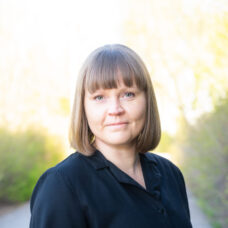
I am a Senior Researcher in the ERC-funded SHADES project at the INVEST Research Flagship Centre, University of Turku. I hold a PhD in Psychology from University of Turku, where my doctoral research examined the effectiveness of targeted anti-bullying interventions in reducing and stopping bullying. My research focuses on school bullying, bullying prevention and intervention. I am particularly interested in identifying the factors that contribute to intervention effectiveness and understanding the mechanisms through which bullying interventions produce change. In the SHADES project, I investigate persistent bullying and the long-term consequences of bullying perpetration.
Reetta Rissanen, Project Coordinator
Contact us:
shades@utu.fi