Research group
Project leader:
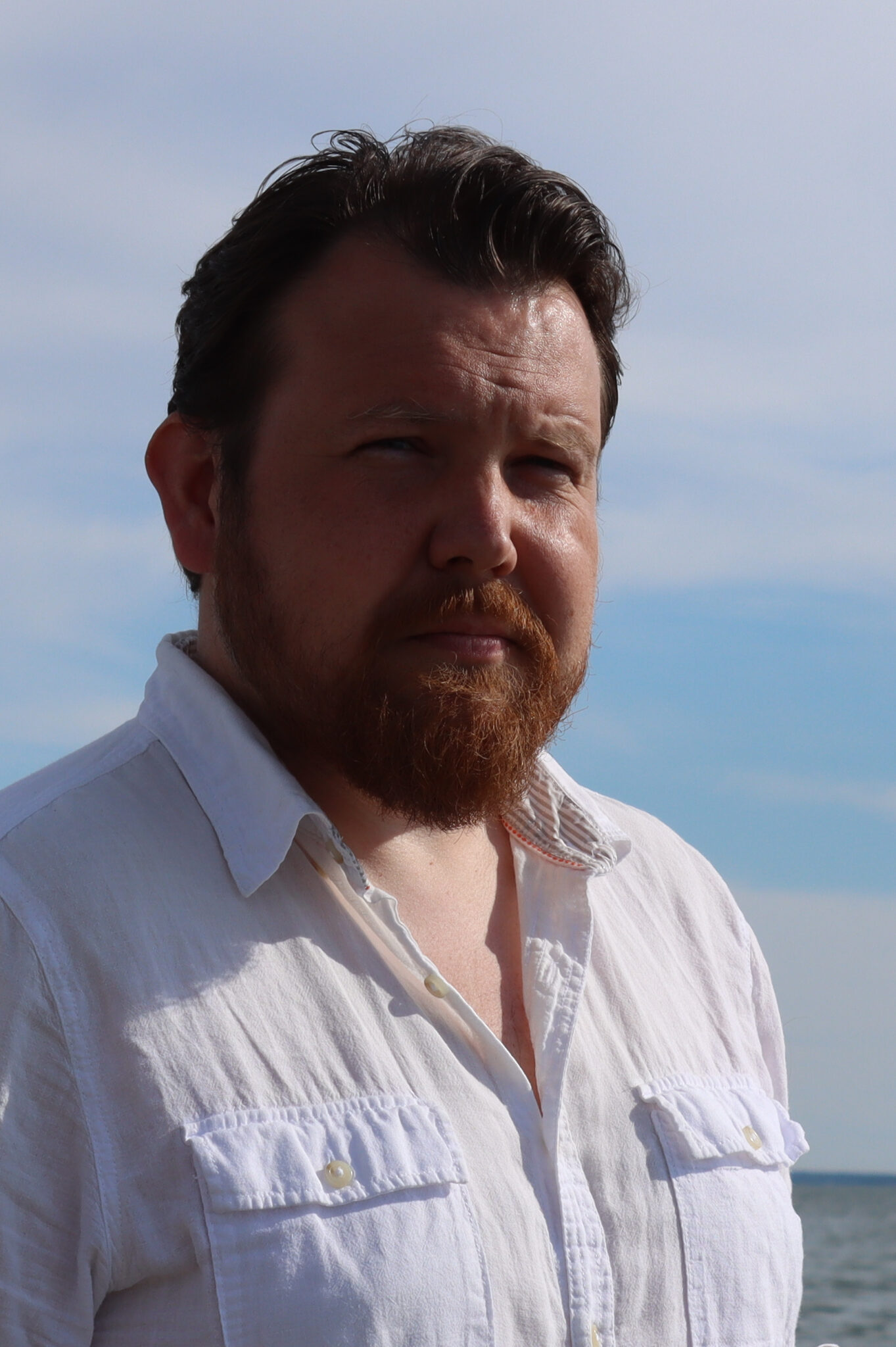
Senior Research Fellow, PhD, Adjunct Prof. Otto Latva:
Latva is a cultural and environmental historian and docent of multispecies history specializing in human-animal and human-plant studies. He has carried out extensive research on early modern as well as nineteenth- and twentieth-century societies and culture. He is interested in a wide range of themes relating to relationships between humans and the more-than-human world. Latva is also interested in digital humanities methods and digitized cultural heritage materials. In this project, Latva is responsible for collecting and analysing Finnish and Latin materials on bladderwrack, eelgrass, and stone fishing.
Tutkijat:
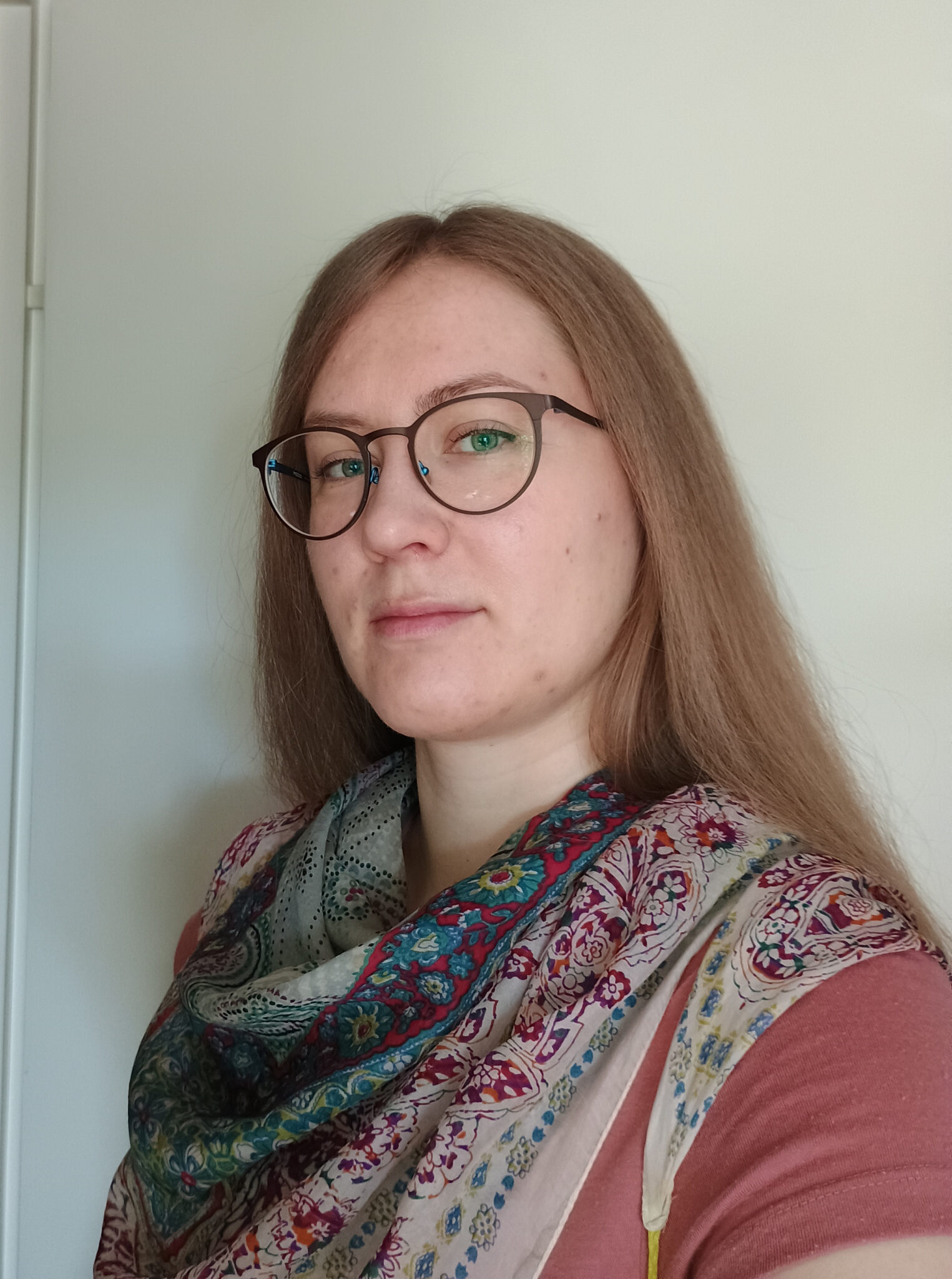
MA Kristel Ruutma:
Ruutma is a doctoral researcher in the Department of Folkloristics at the University of Turku. Her research investigates how stigma is shaped by lore. Ruutma received her Master’s degree in Folkloristics and Applied Heritage Studies from the University of Tartu, Estonia, where she examined processes of knowledge transmission, with a particular focus on tacit knowledge. In the IHME project, Ruutma is responsible for the collection and analysis of Estonian materials on bladderwrack, eelgrass, and stone fishing.
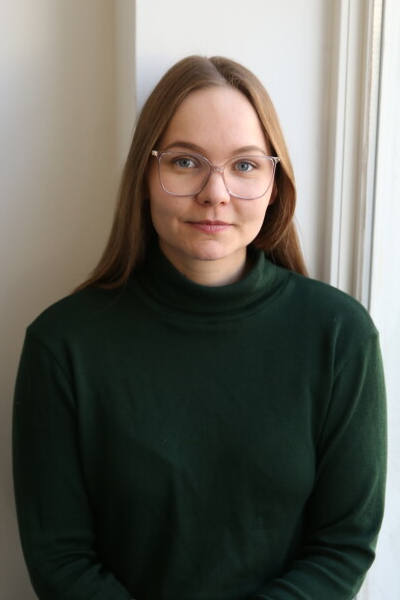
PhD Noora Viljamaa:
Viljamaa is a historian specializing in social and environmental history. Previously, she has studied deprivation and related experiences in nineteenth-century Finland as part of an interdisciplinary project involving scholars of Finnish history, social work, and social policy. She has also conducted multispecies history research by examining the shared history of war dogs and soldiers during the Winter War and the Continuation War. In this project, Viljamaa is responsible for collecting and analysing Swedish and German materials on bladderwrack, eelgrass, and stone fishing.