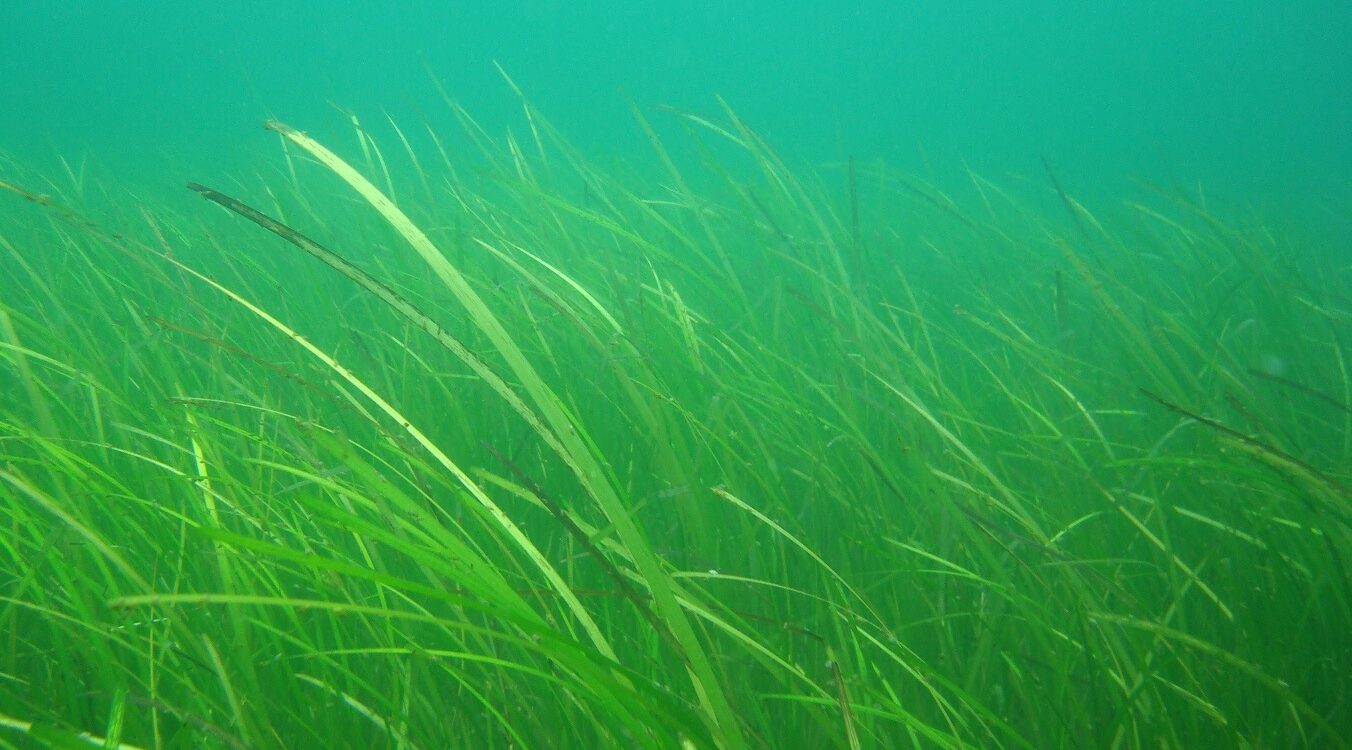
The shared history of humans and marine biotic communities in Finland, Sweden, and Estonia (IHME)
The project funded by the Weisell Foundation, “Eelgrass, bladderwrack, and stone fishing: The shared history of humans and marine biotic communities in Finland, Sweden, and Estonia (IHME),” aims to produce a systematic, cross-border overview of two questions:
- How did people, from the eighteenth century to the 1970s, observe, use, and ascribe meaning to two key Baltic Sea species, eelgrass (Zostera marina) and bladderwrack (Fucus vesiculosus)?
- How was “stone fishing” (the removal of stones from the sea for construction purposes) practised in Sweden, Finland, and Estonia, and how did it affect underwater habitats?
Geographically, the project focuses on the coastal areas of Sweden, Finland, and Estonia. Our research makes visible the shared long-term history of humans and the underwater environment. It highlights the everyday practices, concepts, and local environmental knowledge through which the seabed has been shaped, and marine biotic communities have been utilised and interpreted. The project will generate new historical knowledge that can be applied, for example, to the restoration of underwater habitats in Finland, Sweden, and Estonia.
The primary sources consist of digitised newspapers and periodicals from the national libraries of Sweden, Finland, and Estonia, complemented by older scientific publications and oral history materials.
The project is carried out as a parallel project to the John Nurminen Foundation’s Sea Too project.
The Weisell Foundation funds the project for 2026–2028.
Main page image: Genet: Seegraswiese (Zostera_marina) – Baltic_Sea. (https://commons.wikimedia.org/wiki/File:Seaweed-field_-_(Zostera_marina)_at_Baltic_Sea.jpg)
_at_Baltic_Sea.jpg)