Emotions in science: Why researchers must face their environmental feelings
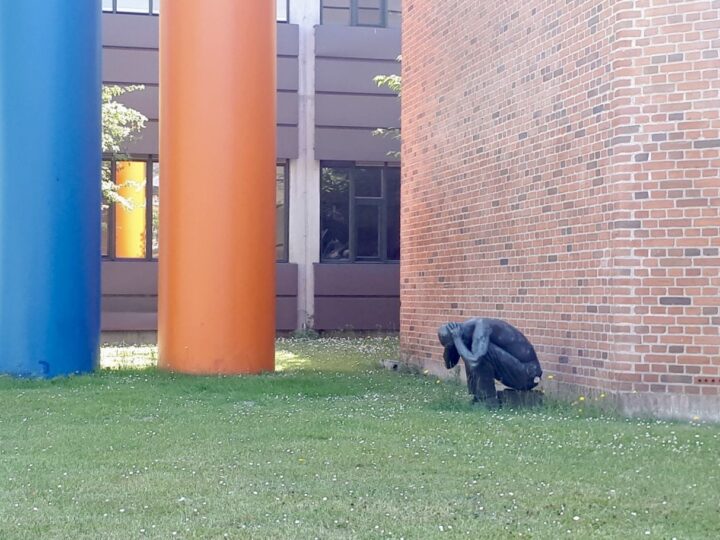
Photo from Copenhagen on the way to the conference venue. Photo: Joha Järekari.
Joha Järekari, Department of Geography and Geology, University of Turku
In the summer of 2024, I took part in the Nordic Geographers Meeting conference in Copenhagen. The week began with a keynote lecture by a long-time member of the Intergovernmental Panel on Climate Change (IPCC), who presented the latest findings on climate change. The talk was overwhelming: graph after graph confirmed how serious our situation is and what kind of future awaits us if nothing changes. I felt strong emotions—sadness, anxiety, even fear. I looked around, but I saw nothing on the faces of others. Focused, neutral expressions, as if emotions had been shut out.
As we walked to lunch after the lecture, I asked a fellow researcher how they had felt during the talk and told them honestly that I felt like crying. The researcher replied that emotions should not be mixed with work—otherwise, nothing would get done. I disagreed. To me, the connection with our emotions is one of the key factors that can enable the systemic change required by the current environmental crisis. Would we even be in this situation if, on an emotional level, we had not disconnected ourselves as a species from the rest of nature?
Scientists don’t feel?
Within the research community, there is still a culture where facts are presented without emotion, and reacting neutrally is the norm. Emotions are seen as separate from knowledge, even though they clearly affect how information is received and what is done with it. When researchers face the climate crisis head-on, possibly without tools or social permission to process their emotions, the risk is burnout, paralysis, or even emotional detachment from their research topic.
How could things be different? Imagine if, after that keynote lecture, there had been an opportunity to take part in a workshop about environmental emotions. A space where participants could share their experiences, receive peer support, and gain new perspectives on how emotions can be a resource rather than an obstacle. Such spaces could offer transformative and relieving experiences that strengthen resilience and long-term commitment to the work.
Facing climate change requires recognizing, working through, and channeling emotions into action. Without emotion, there is no motivation to act.
Emotion as a resource, not a barrier
This is precisely the mission of Tunne association and similar organizations: to provide tools for processing emotions and turning them into action. Especially researchers working closely with climate and environmental issues, in my view, would benefit from a counterbalance to the demand for neutrality and emotional detachment.
Solving a global crisis like climate change requires the participation of the whole human being—not just rational thought, but emotional engagement as well. When emotions are not suppressed but faced, genuine possibilities for change may emerge. Researchers, too, are whole human beings—and it is through embracing that wholeness that we hold the greatest power to create real change in the world.
Joha Järekari is a doctoral researcher working with a grant from the Maj and Tor Nessling Foundation.
The blog post was first published in Finnish language on Tunne ry association’s blog.