Favourite tree is a companion who does not leave nor judge
Kaisa K. Vainio, Department of Geography and Geology, University of Turku
Biographical tree relationships draw analogy between human connections to nature and to oneself, one’s memories, and identity. Trees symbolise fundamental human experiences and stages: growing, blossoming, shedding old leaves, decaying, standing firm, or falling in a storm.
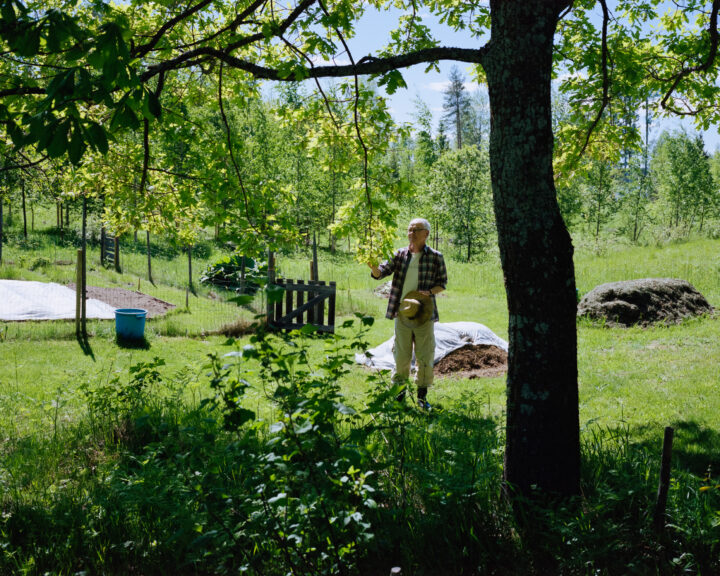
Many people have a special tree that stands above the others. When examining human connections to nature, relationships with individual trees often reveal more personal significance than relationships with tree species, forests, or entire ecosystems.
Trees as large, visible non-human organisms often grow near humans, even if a person lives far from forests or other natural environments.
Trees can be cared for like pets, but their imposing appearance and longevity also make them objects of admiration, symbolising permanence and a sense of place.
In my dissertation, I studied trees as individuals through the personal, everyday relationships people form with them. Relationships with favourite trees allow people to reflect on their feelings, identity, lives, values, relations with loved ones, nature, and humanity in general.
My research is multidisciplinary, combining approaches from human ecology, environmental humanities, environmental psychology, and environmental anthropology.
The importance of trees and the willingness to share these experiences were evident in the high number of survey participants, ease of finding interviewees, and everyday encounters. Also outside of work, often even strangers wanted to share their tree stories with me, upon hearing about my work.
The responses revealed the personal and intimate nature of the tree relationship; several participants had never shared their personal tree experience before the study.
The relationship between trees and self as a research question
In studying tree relationships, recognizing the dominance of the human perspective is crucial. For an anthropologist, human experience and meaning are paramount: trees are perceived and experienced by humans and are the object of people’s environmental knowledge, ecological values, and practical management.
I observed variations in tree relationships depending on whether the approach was tree-centred, focusing on the tree’s properties and functions, or human-centred, emphasising memories and worldviews linked to trees.
Tree-based orientation highlights the tree’s own physical nature, however, being experienced by a human from their perspective. In these tree-based relationships, the tree’s activity is often idealised as part of nature and the ecosystem.
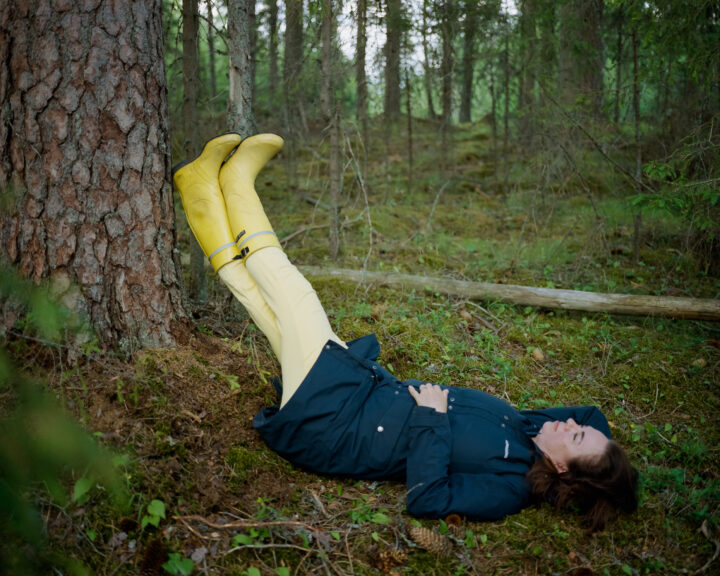
In human-centred tree relationships, humans reflect on themselves, their memories, life stories, and identities through the tree.
Trees carry varied meanings for people. In the following text I explore human relationships with trees through the lenses of selfhood, identity, and life narrative. ‘Selfhood’ refers to a person’s understanding and perception of themselves, as defined by the Finnish Science Terminology Bank, while ‘identity’ describes the structuring of selfhood in relation to other humans and non-human beings.
I interpret identity experience through the topobiographical perspective developed by professor of geography Pauli Tapani Karjalainen, which explores human spatial relationships and their biographical significance.
Memories linked to time and place shape our identity—the sense of self we experience. Topobiography interprets life through these place-based experiences.
In this framework, a favourite tree is a lived place that often goes unnoticed in daily routines. It is described as a hidden place. A sudden event, like the tree falling or being cut down, can reveal its importance and even provoke an identity crisis.
Those who grow and fall with trees
In the human-tree relationships that shape identity, individuals’ experiences of similarity and difference in relation to trees become central. This reflects a pronounced tendency to perceive trees, in a certain sense, as human-like: for example, people may regard trees as capable of providing protection, bearing witness, communicating, and growing alongside humans.
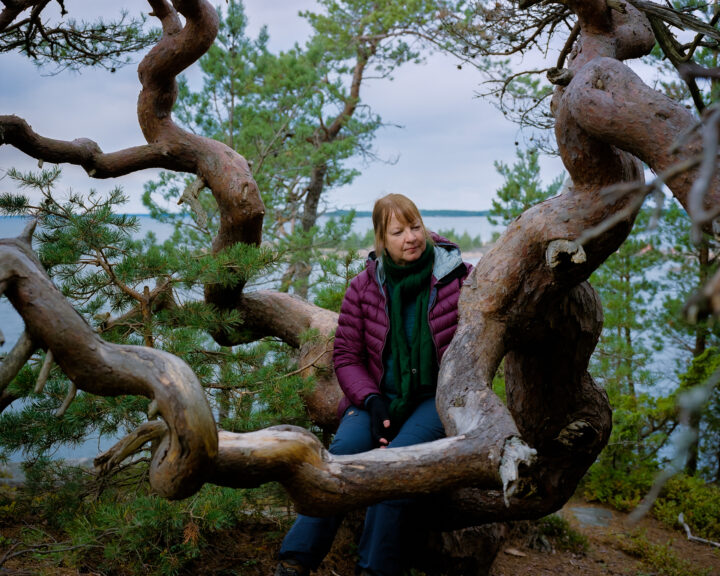
Anthropomorphism is evident in the identification with the tree: one grows alongside the tree from childhood to adulthood, the tree is referred to as a friend or family member, it is given names, and personal life events—such as storms, injuries, illnesses, and ageing—are projected onto the tree as well.
Interpersonal relationships with trees possess tangible dimensions when trees are experienced as cohabitants during various stages of life. The significance of a tree may be encapsulated within the narrative of a family or local community, as well as within an individual’s personal life story.
A tree may also represent broader symbolic meanings related to a person’s worldview, philosophy of life, or value system. In this way, the tree connects the individual to something greater than themselves. Culturally, modern interpretations of tree symbolism seem to be rooted in Finnish folklore.
Biographical themes of trees
I observed that individuals narratively construct their sense of self in relation to a particular tree or trees, typically through significant memories, experiences, and encounters associated with the tree or its habitat.
People often described memories related to trees, as well as past or present activities involving trees, such as planting and caring for them, or resting and playing near them.
Identifying one’s own resources, achieving calmness, and gaining empowerment in the proximity of significant trees or through reflecting upon them constituted another important theme related to the self.
I identified five significant biographical themes that evoke a sense of connection between individuals and trees.
1. Birth and planting
The act of planting a tree holds symbolism closely connected to Finnish folk tradition. Planting signifies the commencement of a new beginning (such as the construction of a house, relocation, or the birth of a child) and serves as a measure of the passage of time.
The significance of a tree often evolves over time. A tree planted for a child may gradually come to represent the self, serve as a symbol of home, and later function as a memorial to a deceased loved one. Additionally, a tree can symbolise intergenerational continuity.
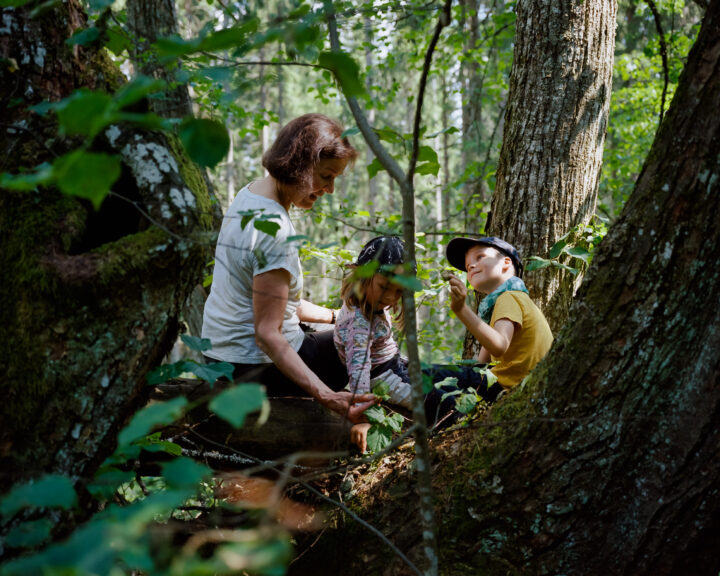
2. Protection and the bond of destiny
The trees in the home yard can have meanings related to the protection of the home. A tree may be regarded as a guardian of the house and family, even considered a member of the family. Conversely, it is the responsibility of the household members to care for the tree in the yard.
In Finnish folk tradition exists a belief that the protective tree of a home or family shares a fate with the family that tends it: whatever befalls the tree also befalls the family members. This belief continues to persist in contemporary conceptions related to trees.
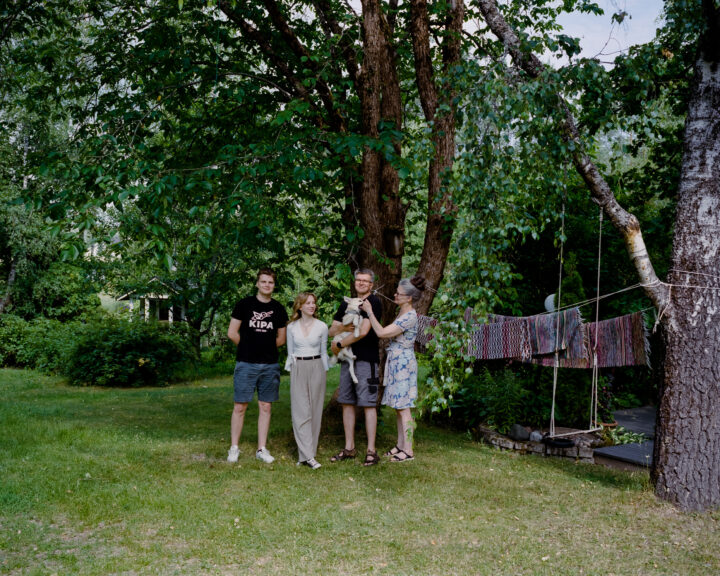
3. Empowerment and growth
The tree serves as a site for individuation and the discovery of the self. A personal connection to trees is established through sensory experience and embodiment. For instance, for a child, a climbing tree represents an opportunity to explore personal boundaries.
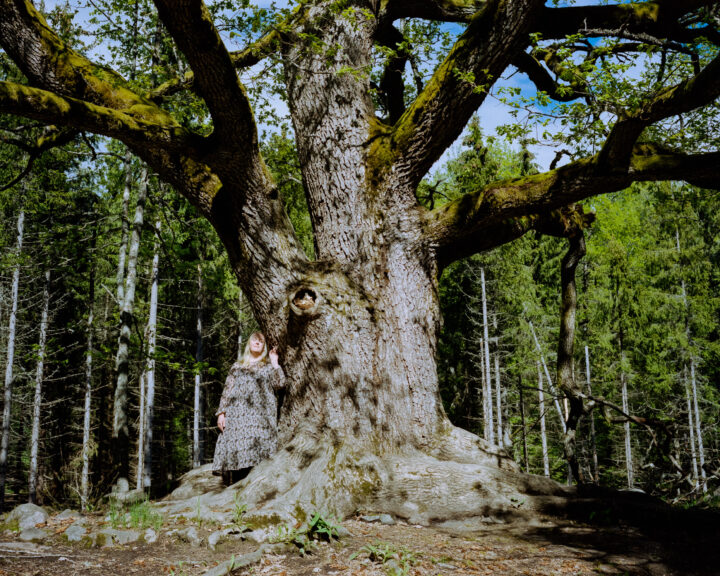
In adulthood, individuals seek peace, personal space, strength, wisdom, and energy among trees. Trees serve as “power trees” and “rest trees,” with which a person may engage in a dialogue that prompts reflection on their values, needs, and aspirations. In this way, one can deepen and strengthen self-awareness.
The tree facilitated a connection not only to the self but also to entities greater than the individual, such as nature, ecosystems, or the broader creation of which humans are a part. Expanding this connection from the relationship between the human and the tree to a wider context serves to strengthen the individual’s spiritual experience and value system.
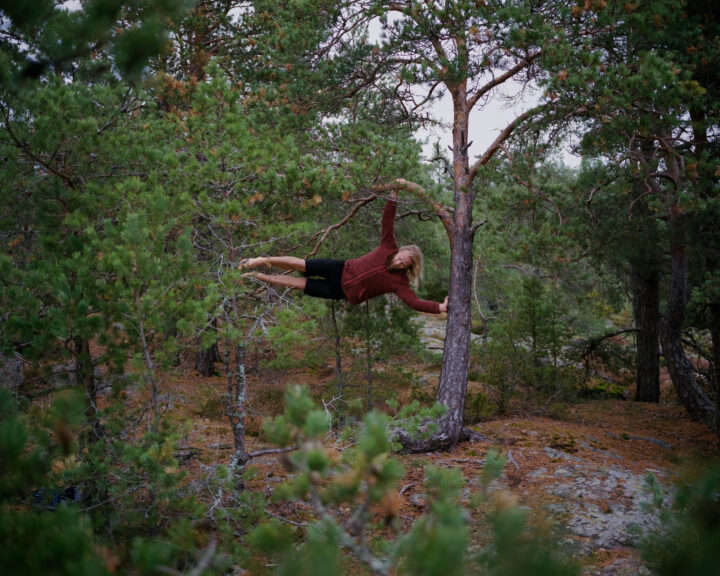
4. Vulnerability and damage
Identification with a tree serves as a means to process one’s own mortality or challenging experiences. Through the metaphor of a tree, one can also reflect upon the human life cycle from birth to death.
In these contexts, the tree is not perceived as greater or stronger than the human; rather, it can be regarded as similarly damaged, suffering, and vulnerable, thus serving as a relatable ‘fellow sufferer’.
Identification with the tree in this context involves encountering a fellowship and facilitates the experience of self-compassion.
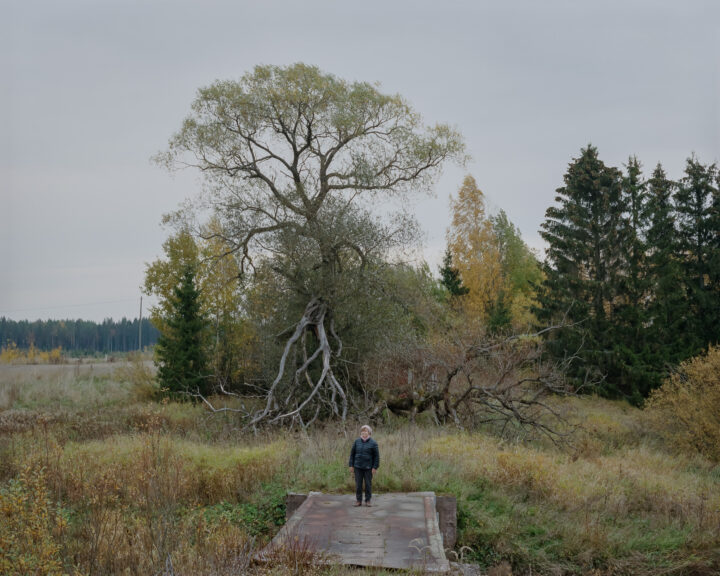
5. Death and fall
If a favourite tree holds symbolic significance for a person, for instance as a place of safety and rest, the sudden felling of the tree may cause intense distress and trauma, particularly if the loss occurs in a vulnerable situation or unexpectedly.
The felling of a favourite tree is almost invariably an individual tragedy, entailing the loss of something intimately connected to one’s environment and sense of self. It may signify the end of a particular era, such as childhood.
The loss of a tree may constitute a challenging process of letting go, intimately connected with the processing of the memories, values, and meanings symbolised by the tree.
At its most extreme, the fates of the tree and the human become intertwined to such an extent that the death of the tree may be interpreted as foreshadowing the end of the human life – or vice versa, as described in Finnish folklore.
Human-tree relationships reflect cultural values
Trees hold deep significance, mirroring human growth and life stages. Their quiet presence offers companionship, helping us process adversity and aging. They provide security through longevity, but their life is also dependent on human decisions, prompting reflection on humanity, our relationship with nature and personal values.
The threat of felling and the intertwined stories of trees and humans appear in modern narratives, rooted in folk tradition. Opposition to tree felling stems from personal memories, aesthetic experiences, or identity, as defending trees expresses one’s values.
In Finnish culture, trees symbolize familial, communal, or personal narratives. Though mythical beliefs have evolved and found new interpretations, respect for trees endures. Today, Finnish sacred trees house not spirits, but life stories and memories.
The blog post is based on the author’s doctoral thesis and a research paper written together with Karoliina Lummaa et al. (2023). This text has been originally published in Finnish in AntroBlogi 25.11.2025. It can be read here.
Thanks for editorial team of AntroBlogi for editing the Finnish-language version (Niina Ahola, Paula Vitie, Taru Äkräs).
Literature:
Vainio K. K. (2024). Lempipuut: Lajienvälisen ystävyyden näkökulma puusuhteiden moninaisuuteen. https://doi.org/10.14214/df.359
Lummaa K, Vainio K, Korrensalo A, Takala T, Tuittila E-S (2023) Itseksi puiden kanssa: Identiteettiä jäsentävät puut suomalaisessa nykyrunoudessa ja lempipuuaiheisessa verkkokyselyssä. Elore 30(1): 34–58. https://doi.org/10.30666/elore.126754
Karjalainen, P. T. (2009). Topobiography: remembrance of places past. Nordia Geographical Publications, 38(5), 31–34. https://nordia.journal.fi/article/view/75973
AntroBlogi: Onko sinullakin puuystävä? Kirjoittajana Kaisa K. Vainio
Antropodi-podcast: Katajainen kansa. Vieraana Kaisa K. Vainio