Mechanisms and Antifungal Targeting of mRNA Biogenesis
Messenger RNA (mRNA) carries genetic information from DNA to the protein synthesis machinery. Throughout its life cycle, mRNA associates with numerous RNA-binding proteins to form messenger ribonucleoprotein particles (mRNPs). The coordinated activities of RNA-processing machineries and RNA-binding proteins determine how mRNAs are matured, assembled, transported and ultimately degraded.
Our research aims to uncover the molecular mechanisms governing mRNA biogenesis, with particular emphasis on the coordination of mRNA 3′-end formation, mRNP assembly and nuclear export. We combine biochemical reconstitution, quantitative kinetic and structural approaches with cellular studies in the budding yeast Saccharomyces cerevisiae to understand how these processes regulate gene expression.
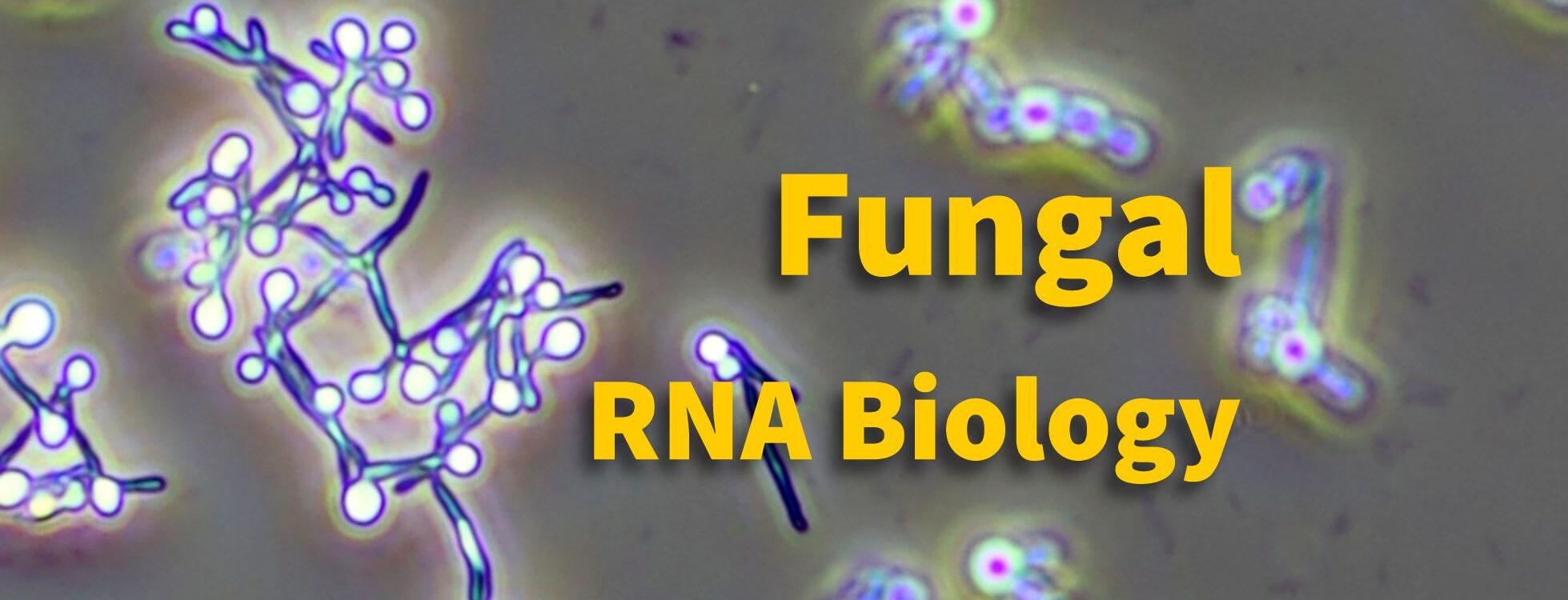
We also investigate essential fungal RNA-processing pathways as potential targets for novel antifungal agents. Using the human fungal pathogen Candida albicans as a principal experimental model, we explore how molecular differences between fungal and human RNA-processing machineries can enable selective pharmacological inhibition. By combining mechanistic studies with fungal molecular and cellular biology, we aim to establish the molecular basis for new antifungal strategies.
News