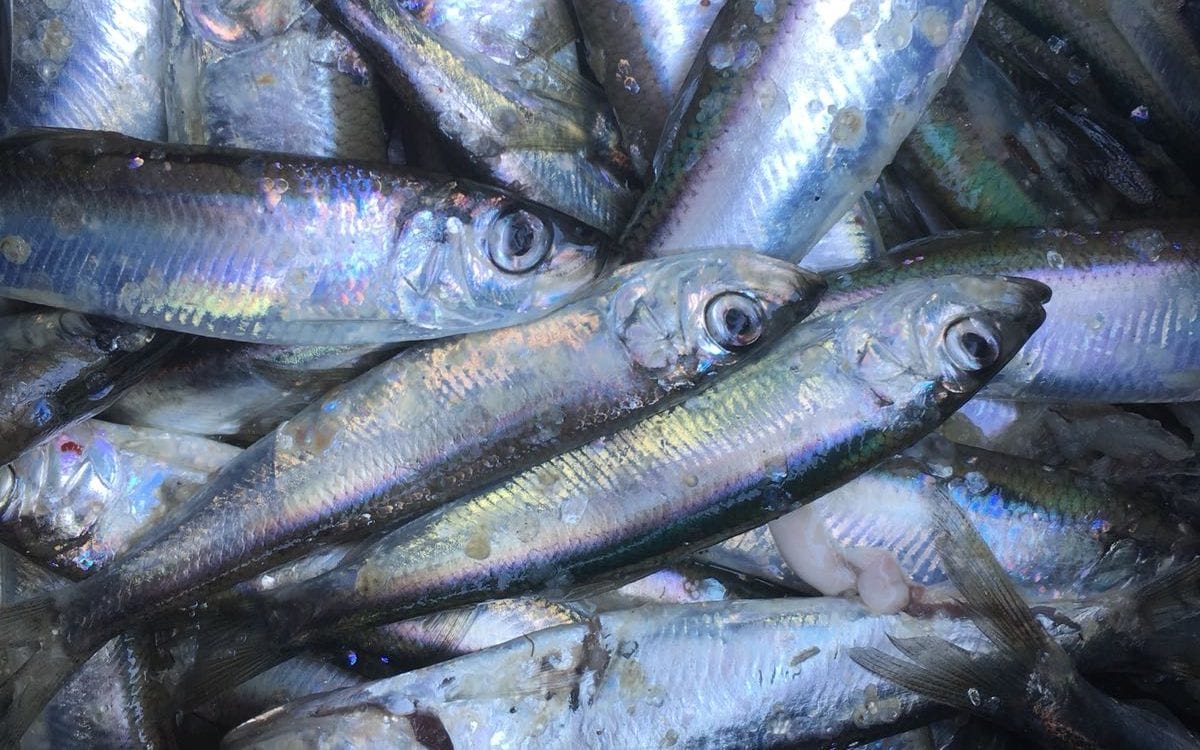
Baltic herring
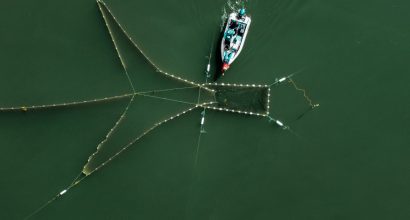
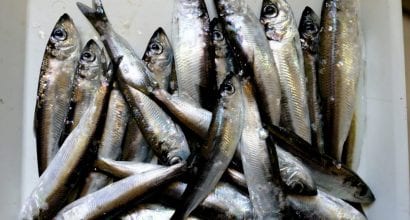
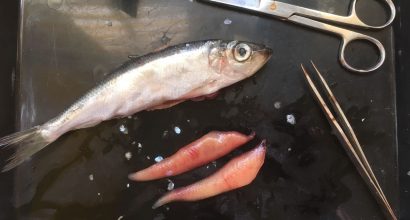
These pages provide information on the spawning areas, spawning populations, and reproductive success of Baltic herring in the northern Baltic Sea. The texts are based largely on research carried out by our group since the 1980s, including a monitoring programme in which more than 50000 spawning herring have been examined in the Archipelago Sea since 1984.
Long-term changes in the spawning population
The long-term monitoring data show that spawning herring in the Archipelago Sea are now considerably smaller than in the 1980s. The decline in size is not explained by a younger age structure but by slower growth, as fish of the same age are now smaller than before. The spawning season has also become shorter: spawning previously continued until July–August but now takes place mainly in May. At the same time, spawning has shifted to shallower water as the vegetated zone has narrowed. More detailed results are presented on the page Spawning population.
A key species in the ecosystem and a commercially valuable resource
The Baltic herring (Clupea harengus) plays a central role in the Baltic Sea ecosystem. It feeds on zooplankton and nektobenthos and is in turn a primary food source for predatory fish such as Baltic cod and salmon, as well as for seals and seabirds. Owing to its high tolerance of varying salinity, Baltic herring is able to live and reproduce in nearly all areas of the Baltic Sea.
Spawning areas in the northern Baltic Archipelago Sea
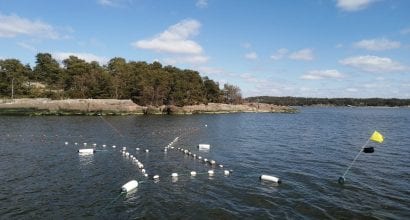
The Archipelago Sea, located off the southwest coast of Finland, is considered one of the most important spawning areas for Baltic herring along the Finnish coastline. The region has more than 40 000 islands, a fragmented coastline and shallow waters with an average depth of around 20 metres. Several rivers, including the Aurajoki, Mynäjoki and Paimionjoki, flow into the area and form sheltered estuaries.
Herring spawn in the vegetated littoral zone, attaching their eggs to macroalgae such as Fucus, Cladophora, Ulva, Pylaiella and Ectocarpus, and to vascular plants such as Potamogeton and Ranunculus, and occasionally Zostera. The spawning substrate affects egg survival. In our studies, less than 5 % of the eggs attached to Cladophora and Potamogeton died, whereas mortality on red algae (Furcellaria, Phyllophora) exceeded 50 % (Rajasilta et al. 1989).